


Executive Summary: The Sovereignty Trap
The Reserve Bank of India’s (RBI) April 2026 mandates—enforcing device-bound biometrics and a stringent 5% cap on Default Loss Guarantees (DLG)—signal a profound institutional metamorphosis. The RBI has transcended its traditional role as a market referee to become an Infrastructural Sovereign. This is not merely an escalation in consumer protection; it is the systematic expropriation of the financial “trust layer” from private middleware. While retail markets price this as a stabilization mechanism, the strategic reality for financial institutions is a structural compression of operational agility. By nationalizing the logic of identity and credit risk, the central bank has foreclosed the regulatory loopholes that previously enabled Agency Arbitrage, where fintech platforms functioned as undercapitalized shadow banks. Market participants face a stark operational binary: deep integration into the state’s technological stack or systemic irrelevance.
The Structural Shift: From Tenant to Sovereign
The 2024–2026 regulatory cycle systematically dismantled the “tenant” model of Indian finance. Historically, fintech platforms operated as agile leaseholders on legacy banking rails, utilizing opaque Default Loss Guarantees to synthesize balance sheet strength without commensurate capital buffers. The RBI’s October 2024 interventions against entities like Navi Finserv and DMI Finance were the initial salvos against a highly leveraged, growth-optimized architecture.
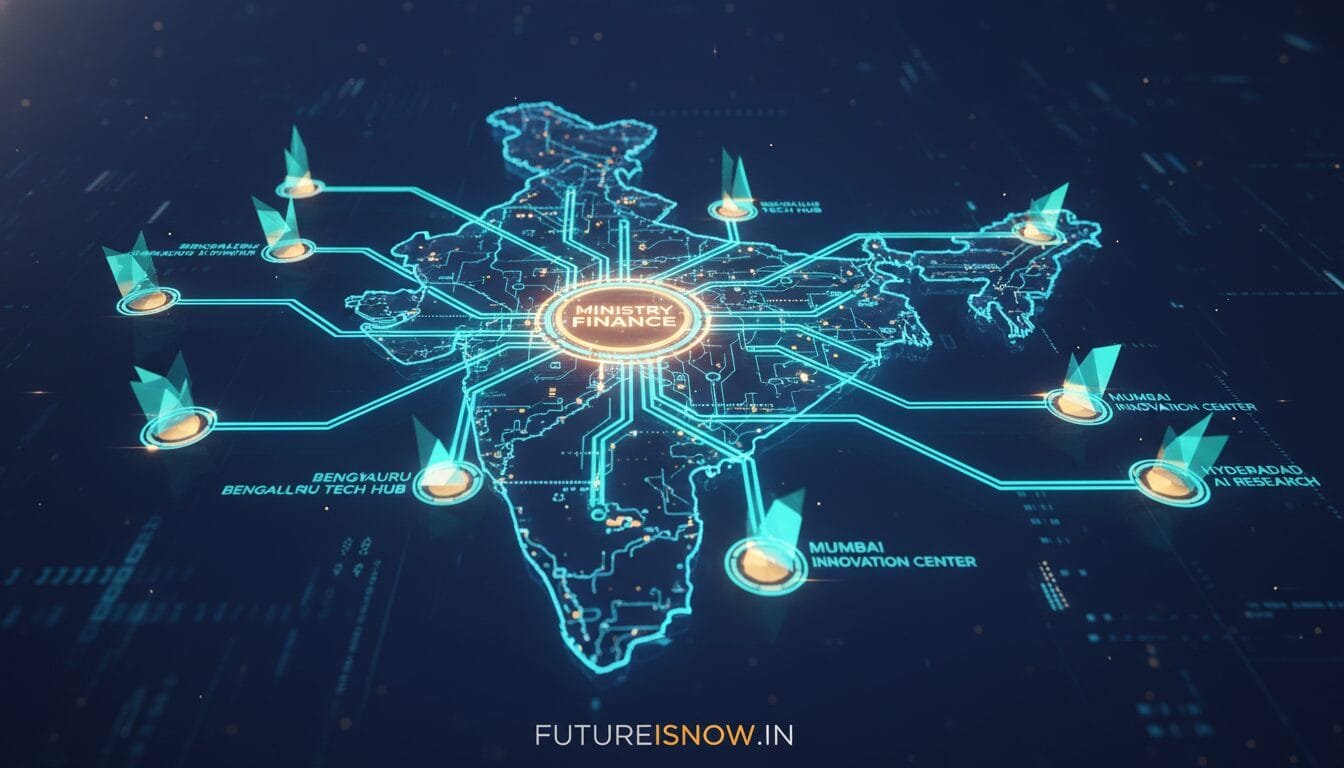
Today, the unregulated middleware that previously greased the wheels of rapid credit dispersal is being forcibly subsumed into the RBI’s Centralised Information Management System (CIMS). This migration enforces three structural imperatives:
- Authentication Sovereignty: The April 1, 2026, deadline phasing out SMS-OTPs in favor of hardware-level biometrics transfers point-of-sale control from the application layer to the device and OS layers, governed strictly by state-certified protocols.
- Risk Localization: The 5% DLG cap forces a severe Monetization Schism, compelling formerly aggressive credit originators to accept downgraded valuations as pure lead generators.
- Real-Time Diagnostic Reporting: Compliance transitions from a retrospective auditing exercise to a continuous, real-time data ingestion process directly monitored by the RBI’s supervisory engines.
CXO Stakes: Capital Allocation and Systemic Risk
This regulatory enclosure introduces a formidable layer of Systemic Friction. With January 2026 UPI volumes reaching 21.7 billion transactions worth ₹28.33 lakh crore, per NPCI data, the retail payment rail has been reclassified functionally as critical national security infrastructure.
More Read

| Metric | 2024 Baseline | 2026 Reality | Strategic Implication |
|---|---|---|---|
| Fintech Delinquency | 3.6% (Avg) | 2.1% (Regulated) | Unregulated credit risk has been excised; capital is safer but inherently scarcer. |
| DLG Threshold | Uncapped/Opaque | 5% (Hard Cap) | Lending Service Providers (LSPs) must anchor to ROIIC-driven valuations rather than sheer disbursement volume. |
| Auth Friction | <1 second (OTP) | 3-5 seconds (Bio) | A projected 3-5% degradation in transaction success rates during the biometric transition window. |
Capital expenditures previously earmarked for aggressive market acquisition must now pivot toward Regulatory Engineering. Designing a sovereign-compliant technological stack is no longer a peripheral compliance cost; it is the fundamental prerequisite for institutional survival.
The Contrarian Thesis: The Loss of the Evolutionary Buffer
The prevailing market consensus interprets the 2026 restructuring as the inevitable maturation of Indian fintech. This assessment is dangerously incomplete. By systematically eradicating the shadow banking